No. 1667 - Ranelagh - St James' Anglican Church (1879 -1896) "A severe tax upon the risible faculties of the audience"
Ranelagh is a township situated on the Huon River approximately 2 kilometres north of Huonville. Formerly known as Ranelagh Junction it had previously shared the name ‘Victoria’ with neighbouring Huonville. Four religious denominations have been represented at Ranelagh including Methodist, Catholic, Salvation Army and the Anglican.
The Anglican presence at Ranelagh dates back to 1839. By 1850 a simple ‘bark church’ was in use. In all, three churches were built in the second half of the 19th century and the sequence of their establishment can be summarised as follows:
1853 - The first permanent church, a brick building, was constructed in 1853. It was consecrated in the following year. The building could seat about 100 people but little more is known about it.
1879 - A second church was built. This was a timber structure which was consecrated in 1880.
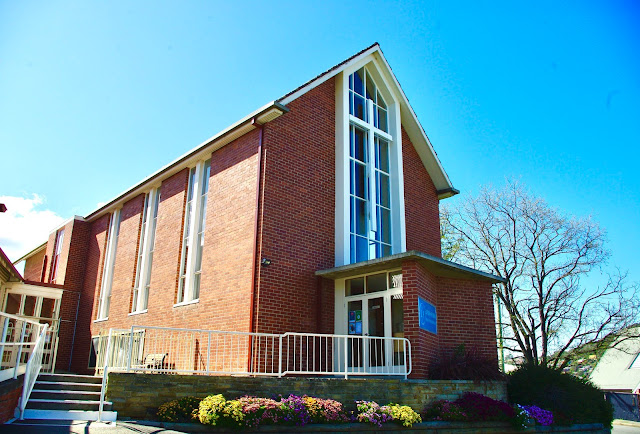
1896 - A third church (the present building) was built after a fire destroyed the earlier church.
While little is known about the second church, a description of the foundation stone-laying ceremony in January 1879 survives through a report in the Hobart Tribune.
“Tuesday last, the 21st instant, was a day that will long be remembered by the residents of Victoria, for on that day the foundation stone of St. James' Episcopalian Church was laid. Three o’clock in the afternoon was the time fixed for the ceremony, when the Rev. E. H. Thompson, assisted by the Rev. H. Hugill, performed the all-important task of using the trowel and mallet, which were appropriately decorated for the occasion. The inhabitants turned out in strong force to witness the ceremony, notwithstanding the thunder and threatening state of the weather. A tea meeting was hold after the stone had been laid, at which there was a large attendance. There were seven tables laid out in Mr. Frankcomb's spacious barn, which were loaded with the most tempting delicacies of the season, whilst the room was decorated with flowers and evergreens, and a motto, " God bless our church (the letters of which were formed of geraniums), was fixed at one end of tho room, and had a very pretty effect. The tables were twice filled, and although there was such a demand upon the good things provided, the fair caterers managed to attend to the wants of all….”.
Sources:
Mercury, Tuesday 14 January 1879, page 3
Tribune, Saturday 25 January 1879, page 3
Mercury, Monday 27 January 1879, page 3
Mercury, Tuesday 2 March 1880, page 3
Tasmanian News, Thursday 9 January 1896, page 3
Mercury, Saturday 11 January 1896, page 1
Henslowe, Dorothea I and Hurburgh, Isa Our heritage of Anglican churches in Tasmania. Mercury-Walch, Moonah, Tas, 1978.
The Anglican presence at Ranelagh dates back to 1839. By 1850 a simple ‘bark church’ was in use. In all, three churches were built in the second half of the 19th century and the sequence of their establishment can be summarised as follows:
1853 - The first permanent church, a brick building, was constructed in 1853. It was consecrated in the following year. The building could seat about 100 people but little more is known about it.
1879 - A second church was built. This was a timber structure which was consecrated in 1880.
1896 - A third church (the present building) was built after a fire destroyed the earlier church.
While little is known about the second church, a description of the foundation stone-laying ceremony in January 1879 survives through a report in the Hobart Tribune.
“Tuesday last, the 21st instant, was a day that will long be remembered by the residents of Victoria, for on that day the foundation stone of St. James' Episcopalian Church was laid. Three o’clock in the afternoon was the time fixed for the ceremony, when the Rev. E. H. Thompson, assisted by the Rev. H. Hugill, performed the all-important task of using the trowel and mallet, which were appropriately decorated for the occasion. The inhabitants turned out in strong force to witness the ceremony, notwithstanding the thunder and threatening state of the weather. A tea meeting was hold after the stone had been laid, at which there was a large attendance. There were seven tables laid out in Mr. Frankcomb's spacious barn, which were loaded with the most tempting delicacies of the season, whilst the room was decorated with flowers and evergreens, and a motto, " God bless our church (the letters of which were formed of geraniums), was fixed at one end of tho room, and had a very pretty effect. The tables were twice filled, and although there was such a demand upon the good things provided, the fair caterers managed to attend to the wants of all….”.
There is also a brief reference to the church’s official opening on the 27 February 1879 that was published in the Hobart Mercury:
“A tea meeting and concert, to commemorate the opening of the Church of England at Victoria, was held in the schoolroom on Friday evening last…27th February. Tho tables were liberally supplied by lady friends, who were untiring in their efforts to make the meeting a success, which it certainly was, all present appearing to enjoy themselves to their hearts' content. The after part of the gathering was very enjoyable, the Victorian band largely contributing to the pleasure of the evening by the several selections of music which they discoursed in a very creditable manner… the Pastor, the Rev. E. H. Thompson… said that although a good work had been accomplished in the past much still remained to be done in the future. They had built and dedicated to the public worship of Almighty God, the handsome little building whose opening they were now celebrating…. Rev. Mr. Hugill gave a reading and recitation during the evening, both of which were a severe tax upon the risible faculties of the audience. The meeting was brought to a close by the Tasmanian National Anthem”.
No photograph or image of this building is available in the public domain. Ironically, the only extensive record of the building was recorded when the church was destroyed by fire in January 1896:
“The Anglican Church of St. James was burnt to to the ground on the afternoon of the 8th inst. The fire was first noticed about 3 p.m. by Mr. J. Kellaway, who was driving past, and who observed a small puff of smoke coming from the roof near the porch. An alarm was given, and many were quickly on the spot with ladders and buckets of water, but it was soon apparent that no efforts could save the building. A strong southerly breeze was blowing at the time, and the fire spread with lightning-like rapidity under the roof, and soon the whole building was one mass of flame. In the meantime willing hands had worked hard, and carried out the seats, organ, chandeliers, and a few books, but the altar, cloth, and a valuable quantity of music perished.
Mr. T. Frankcomb, choirmaster, had a very narrow escape. While endeavouring to save some valuable articles in the chancel the roof at the west end of the church fell in with a crash, and exit by the porch was thus cut off. Fortunately the east portion of the roof held up, and he made his escape through the vestry. He had scarcely done so when the remainder of the roof fell in.
Fears were entertained for the safety of the Sunday-school, the roof of which was deluged with water, and thus a second catastrophe was avoided. Had the wind been blowing from the west nothing would have saved the Sunday-school, and probably the State school, from destruction. St. James' Church was insured, but all will regret its being burnt down, as it was admittedly, one of the prettiest sacred edifices south of Hobart. It is thought the roof was ignited by a spark from scrub which was burning some distance away”.
The Sunday school hall, built in 1886, and which stood alongside the church, was fortuitously spared from the flames. The gutted church was replaced in record time with the foundation stone of present church being laid May 1896. It is probable that a photograph of the old church exists in a private collection and if a copy can be obtained I will publish it in an updated article.
“The Anglican Church of St. James was burnt to to the ground on the afternoon of the 8th inst. The fire was first noticed about 3 p.m. by Mr. J. Kellaway, who was driving past, and who observed a small puff of smoke coming from the roof near the porch. An alarm was given, and many were quickly on the spot with ladders and buckets of water, but it was soon apparent that no efforts could save the building. A strong southerly breeze was blowing at the time, and the fire spread with lightning-like rapidity under the roof, and soon the whole building was one mass of flame. In the meantime willing hands had worked hard, and carried out the seats, organ, chandeliers, and a few books, but the altar, cloth, and a valuable quantity of music perished.
Mr. T. Frankcomb, choirmaster, had a very narrow escape. While endeavouring to save some valuable articles in the chancel the roof at the west end of the church fell in with a crash, and exit by the porch was thus cut off. Fortunately the east portion of the roof held up, and he made his escape through the vestry. He had scarcely done so when the remainder of the roof fell in.
Fears were entertained for the safety of the Sunday-school, the roof of which was deluged with water, and thus a second catastrophe was avoided. Had the wind been blowing from the west nothing would have saved the Sunday-school, and probably the State school, from destruction. St. James' Church was insured, but all will regret its being burnt down, as it was admittedly, one of the prettiest sacred edifices south of Hobart. It is thought the roof was ignited by a spark from scrub which was burning some distance away”.
The Sunday school hall, built in 1886, and which stood alongside the church, was fortuitously spared from the flames. The gutted church was replaced in record time with the foundation stone of present church being laid May 1896. It is probable that a photograph of the old church exists in a private collection and if a copy can be obtained I will publish it in an updated article.
 |
| Mercury, Tuesday 14 January 1879 |
Sources:
Mercury, Tuesday 14 January 1879, page 3
Tribune, Saturday 25 January 1879, page 3
Mercury, Monday 27 January 1879, page 3
Mercury, Tuesday 2 March 1880, page 3
Tasmanian News, Thursday 9 January 1896, page 3
Mercury, Saturday 11 January 1896, page 1
Henslowe, Dorothea I and Hurburgh, Isa Our heritage of Anglican churches in Tasmania. Mercury-Walch, Moonah, Tas, 1978.

Comments
Post a Comment